
Why Do People Quit the Gym After Two Weeks?

Every January, gyms fill up.
Workout apps shoot to the top of the App Store.
People buy new trainers, expensive water bottles, matching gym sets, protein powder, and promise themselves that this time will be different.
Then two weeks later? The motivation disappears. The gym gets quieter. Workout apps get deleted.
And suddenly the person who was excited to "change their life" is back to old habits wondering what went wrong.
The truth is, most people do not fail because they are lazy. They fail because fitness has been built around motivation, when real progress actually comes from systems, psychology, and consistency.
In fact, research shows that fitness and wellness apps have some of the highest drop off rates of any app category. One 2026 retention study found that up to 80% of fitness app users stop using the app within the first three months, with the biggest abandonment spike happening in the first two weeks.
So why does this happen so often?
The "New Me" Effect
When people first start a fitness journey, they are running on excitement. It feels fresh. You imagine the future version of yourself, fitter, healthier, more confident, more disciplined. That excitement creates a huge burst of energy at the beginning.
But excitement is temporary. Eventually, real life kicks back in. Work gets stressful. Plans change. You get tired. You miss one workout. Then suddenly your entire routine feels broken.
This is where most people quit.
Not because they physically cannot continue, but because they feel like they have already failed.
A lot of fitness apps accidentally make this worse. They focus heavily on streaks, perfection, and daily tracking. The moment someone misses a day, they feel guilty instead of motivated. The app starts feeling more like a chore than support. That guilt creates avoidance. Avoidance turns into quitting.
People Expect Results Too Fast.
Social media has completely changed people's expectations around fitness.
Everyone sees transformation videos titled:
"ABS IN 14 DAYS", "LOSE 10KG FAST", "GET FIT QUICK"
So naturally, people expect dramatic results almost immediately.
When they do not see visible changes after a couple of weeks, motivation crashes.
Research into fitness apps found one of the biggest reasons users stop is simply because they feel they are "not seeing results."
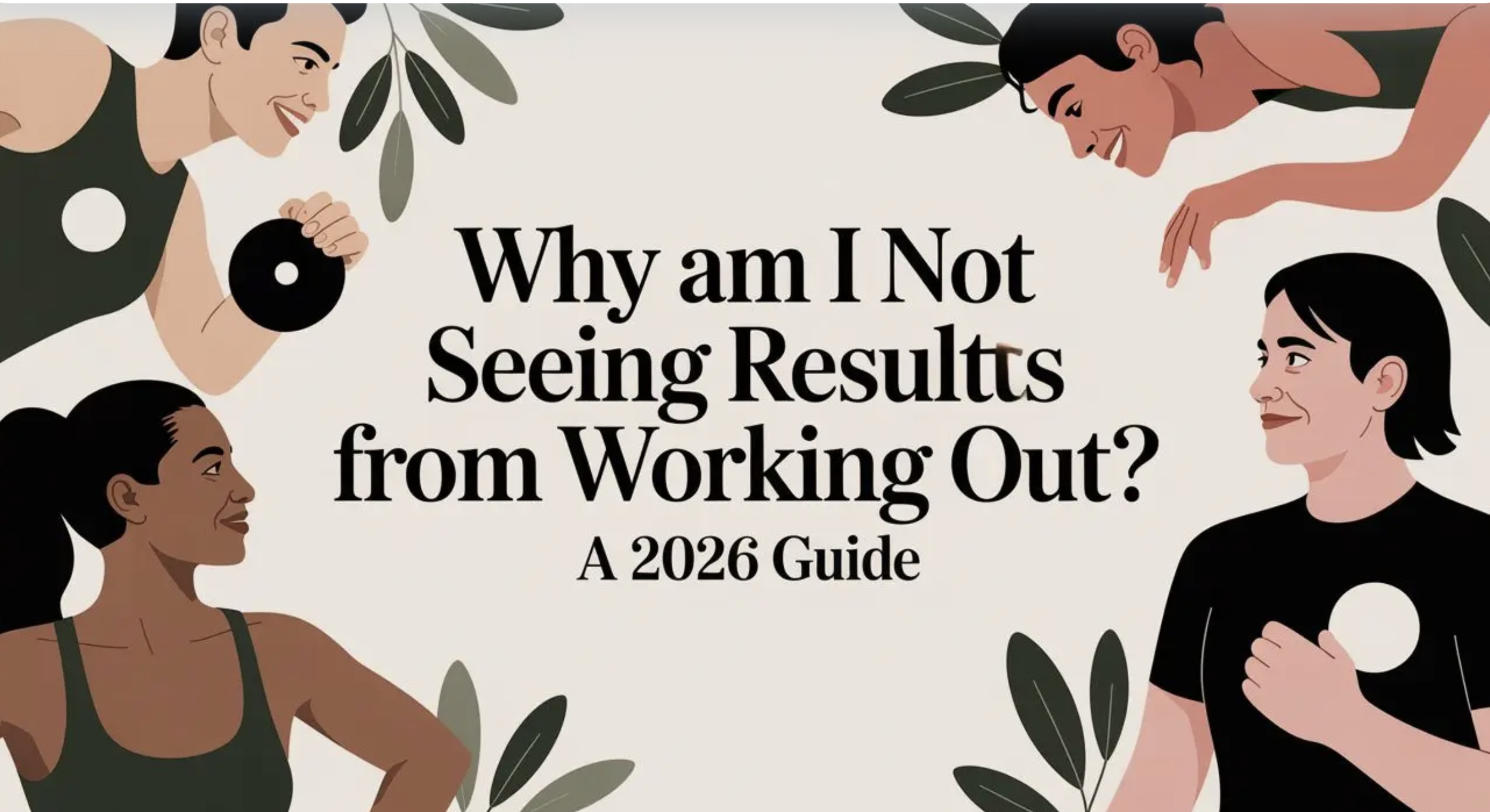

The problem is that real fitness progress is often invisible at first.
Before physical changes happen, your body is already improving internally:
o Better energy levels
o Improved stamina
o Better sleep
o More stable mood
o Increased confidence
o Healthier habits
But because these wins are not always obvious, people convince themselves that "nothing is happening."
And once someone believes their effort is pointless, consistency disappears.
Most Fitness Apps Add Pressure Instead of Support
A huge issue with modern fitness apps is that many are designed around tracking, not actual human behaviour.
Users are often overloaded with:
o Too many statistics
o Unrealistic workout plans
o Complicated meal logging
o Aggressive reminders
o Perfect streak systems
o “All or Nothing” thinking
For beginners especially, this becomes overwhelming very quickly.
Studies on app retention consistently show that people leave when apps feel too time consuming or mentally exhausting to maintain.
Ironically, the apps designed to help people stay healthy can sometimes make fitness feel stressful.
And stress is not sustainable.
Motivation Was Never Supposed to Carry Everything
One of the biggest misconceptions in fitness is the idea that motivated people succeed and unmotivated people fail.
That is simply not true.
Motivation is unreliable for everyone. Even professional athletes do not rely purely on motivation.
What actually keeps people going is:
o Routine
o Simplicity
o Accountability
o Realistic goals
o Small wins
o Feeling supported
Research from habit formation studies has shown that building a lasting habit takes far longer than most people think, often around 66 days on average, not two weeks.
The problem is that most people quit before the habit has even had a chance to form.
So How Do We Fix This?
The solution is not making people "more disciplined." The solution is designing fitness experiences that work with human psychology instead of against it.
That means fitness apps should:
Focus on Progress, Not Perfection
Missing one workout should not feel like failure.
People need encouragement to continue, not punishment for slipping up.
Consistency over time matters far more than perfection.
Make Goals Feel Achievable
Huge goals can actually feel discouraging.
Breaking fitness into smaller milestones creates momentum and confidence.
Small wins keep people engaged.
Reduce Friction
If logging meals, planning workouts, or tracking progress feels exhausting, users stop using the app.
The easier the process feels, the more likely someone is to stay consistent.
Create Accountability and Community
People stick with things longer when they feel supported.
Whether that is coaching, check ins, progress tracking, challenges, or community interaction, accountability matters.
Studies even show apps with social and accountability features can dramatically improve retention rates.
How HoloCoach Wants to Change This
The goal should never be to make users feel guilty for falling behind.
The goal should be helping people build a lifestyle they can realistically maintain.
That means creating an app experience that feels:
o Supportive instead of overwhelming
o Motivating instead of stressful
o Sustainable instead of extreme
Because real fitness is not about surviving two intense weeks.
It is about building habits that still exist six months later.
Most people do not need a harder workout.
They need a system that understands real life.
And that is exactly where the future of fitness apps is heading.
Want to be one of the first to experience HoloCoach?
Be the first to hear about beta access, app updates, and exclusive early releases.
Leave your email below and stay connected with the future of fitness.